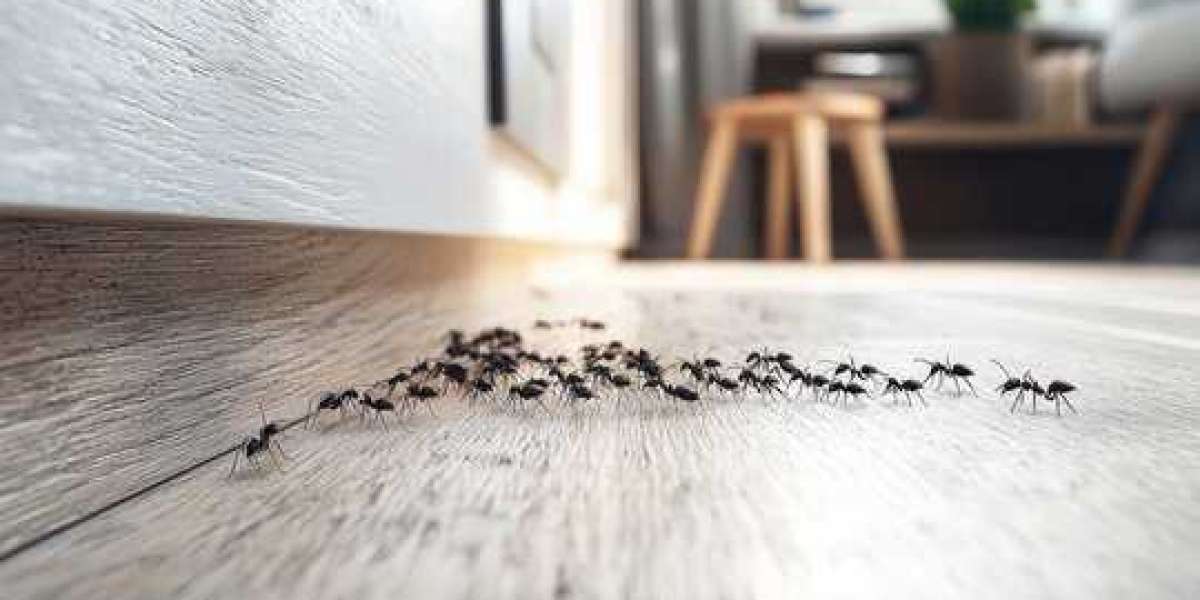

In the first few weeks of spring, many Broadway residents start noticing tiny lines of ants along kitchen counters, baseboards, and even bathroom tiles. At first it feels like a minor nuisance, but those few scouts are often a warning sign of a much larger colony hiding somewhere in the walls. In places like Upper Broadway, Washington Heights, or near the theater district, buildings are tightly packed, old plumbing runs through shared walls, and food smells travel easily between units. That's why Ant pest control Broadway NY 4 is not just a convenience it's often the only way to keep an entire building from becoming a feeding ground.
What many people don't realize is how closely ant problems are tied to broader Pest control Broadway NY needs. When ants find moisture, crumbs, or leaks, they don't just settle in one apartment. They create trails that link multiple units, turning one small spill into a building-wide issue. Understanding this connection is the first step to stopping the cycle.
The Real Problem Behind Ant Infestations
Ants are survivors. In New York's dense, aging buildings, they find everything they need: warmth, water, and endless food sources. A single crack in a foundation or a tiny gap around a pipe can become a highway for thousands of ants.
On Broadway, you’ll often see a mix of pavement ants, odorous house ants, and sometimes carpenter ants. Pavement ants nest under sidewalks and slip into ground-floor apartments. Odorous house ants love sweet spills and will trail straight to a sugar jar. Carpenter ants are more serious; they hollow out damp wood, which can slowly weaken window frames, doorways, and even parts of a building’s structure.
The real problem isn’t the ants you see it’s the nest you don’t. Killing a few on the counter with spray may give a sense of control, but it does nothing to stop the colony from sending out more workers. Within days, the trail returns, often stronger than before.
Why the Problem Keeps Getting Worse
Ants are not random wanderers. They communicate through scent trails. When one ant finds food, it leaves a chemical path that hundreds of others follow. In a Broadway apartment, that trail might run behind a refrigerator, through a wall void, and into a neighbor’s unit. This is where frustration sets in.
People start using store-bought traps or strong cleaners. These may kill visible ants, but they can also confuse the colony and cause it to split into multiple nests, a process called “budding.” Suddenly, instead of one colony, there are three or four, each sending out new trails. What began as a few ants in the kitchen can turn into a building-wide infestation that no one feels responsible for, yet everyone suffers from.
This is also why ants are often the first sign of deeper pest issues. Where ants thrive, other pests usually follow. Moisture that attracts ants can also draw roaches, and food waste that feeds ants will feed rodents too. That’s how ant issues quietly link into broader pest control problems across Broadway buildings.
How Professional Control Breaks the Cycle
Real ant control is about strategy, not just killing bugs. A trained technician looks for the colony, the entry points, and the conditions that allow ants to survive. Instead of spraying everything in sight, they use targeted baits that worker ants carry back to the nest. This wipes out the queen and stops reproduction, which is the only true way to end an infestation.
In a place like Broadway, where buildings are often attached and share walls, professionals also inspect common areas basements, boiler rooms, trash rooms, and entryways. These are often the hidden hubs where colonies thrive. When these areas are treated properly, it protects not just one apartment but the whole building.
A Broadway Co-Op Gets Relief
A few years ago, a six-story co-op near Broadway and West 92nd Street started getting complaints. It began with one resident on the second floor who noticed ants around her cat’s food bowl. Within weeks, tenants on three other floors were reporting trails in their kitchens and bathrooms.
The building had a mix of old hardwood floors, steam radiators, and shared plumbing lines. A local pest professional was called in to investigate. During the inspection, they found a major ant nest in a damp section of the basement near a leaking pipe. From there, ants were traveling up through wall voids and spreading into individual units.
Instead of treating each apartment separately, the technician created a building-wide plan. Baits were placed in problem units and in the basement near the nest. The leaking pipe was flagged for repair, and cracks around utility lines were sealed. Within two weeks, the ant activity dropped sharply. By the end of the month, residents reported that the trails had disappeared.
What made the difference wasn’t just the products it was the understanding of how ants move through Broadway-style buildings. That kind of local knowledge is what turns a temporary fix into a lasting solution.
How Ant Control Connects to Broader Pest Issues
Ants rarely live alone. In many Broadway buildings, the same conditions that attract ants moisture, food waste, and clutter also attract roaches and mice. This is where Ant pest control Broadway NY ties directly into Pest control Broadway NY. When a technician treats for ants, they are often also checking for signs of other pests and addressing the root causes that allow all of them to survive.
This connection matters because ignoring one pest often invites another. For example, sealing a crack to keep ants out may also block mice. Fixing a leak that draws ants can also remove the water source roaches need. When pest control is handled as a system rather than a single problem, the results last much longer.
What Homeowners and Tenants Can Do Between Visits
Professional treatment does most of the heavy lifting, but residents still play a role. A few simple habits can make a big difference in how well any treatment works:
- Wipe down counters and floors daily to remove food trails.
- Store sweets, pet food, and dry goods in sealed containers.
- Report leaks, even small ones, to building management.
These steps don’t replace professional service, but they support it by making the environment less inviting to ants.
Why DIY Solutions Often Fall Short
It’s tempting to grab a spray or trap from the local store, especially when ants first appear. The problem is that most of these products only kill on contact. They don’t reach the nest. In some cases, they even make things worse by causing colonies to split and spread.
Broadway buildings are especially tricky because of their shared walls and hidden spaces. A product that works in a suburban home may fail completely in a prewar apartment building with miles of pipes and cracks behind the walls. That’s why professional, targeted treatment is so important in this part of New York.
A Clear Path to Long-Term Relief
Ant problems don't have to be a permanent part of city living. With the right approach one that looks beyond the surface and addresses nests, entry points, and building conditions ants can be controlled for the long term. The key is acting early and working with people who understand the unique challenges of Broadway properties.
Conclusion
Ants may be small, but in a Broadway building they can cause big headaches. From ruined food to stressed tenants and even structural concerns, the impact adds up quickly. The good news is that with skilled, local pest control, these problems can be solved at the source. When ants are handled the right way, homes become calm, cleaner, and far more comfortable places to live.
If you're seeing trails, nests, or just a few stubborn ants that won't go away, now is the time to act. Reach out to a trusted local pest control professional and get a full inspection before the problem spreads. Fast, expert help today can save you weeks of frustration tomorrow.