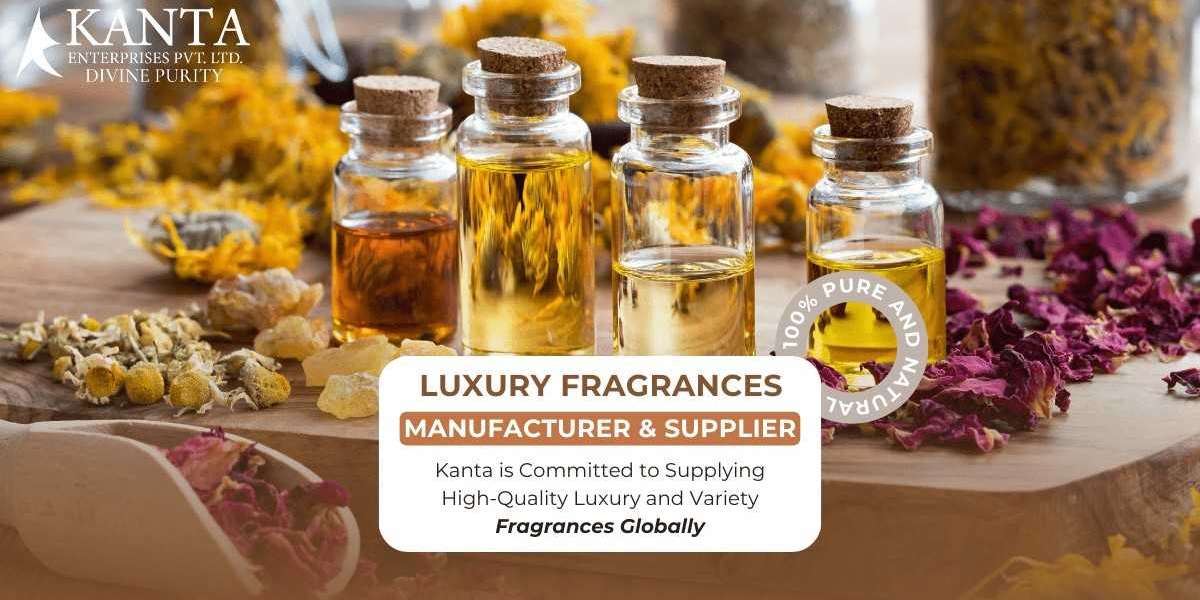

Perfume is more than a cosmetic product—it is identity, emotion, memory, and luxury captured in a bottle. From high-end designer labels to private-label startups, the global fragrance market continues to expand at a rapid pace. At the heart of this thriving industry are professional perfume manufacturers and suppliers who transform creative concepts into market-ready fragrances.
Whether serving luxury brands, retailers, wholesalers, or emerging entrepreneurs, perfume manufacturers and suppliers play a vital role in ensuring quality, consistency, and regulatory compliance. In this guest post, we explore their role, production processes, industry standards, and how businesses can choose the right fragrance partner.
The Role of Perfume Manufacturers and Suppliers
Perfume manufacturers are responsible for creating fragrance formulations and producing finished perfume products. Suppliers, on the other hand, may provide raw materials, fragrance oils, packaging components, or bulk finished goods.
Together, perfume manufacturers and suppliers handle:
Fragrance development and blending
Raw material sourcing
Alcohol and base formulation
Bottling and packaging
Quality testing
Bulk supply and export
Private-label services
Their expertise ensures that perfumes meet both aesthetic expectations and international safety standards.
The Perfume Manufacturing Process
1. Concept Market Research
Every perfume begins with a concept. Manufacturers work closely with clients to understand:
Target audience (men, women, unisex)
Brand positioning (luxury, niche, mass-market)
Regional scent preferences
Market trends
For example, floral fragrances dominate women’s collections, while woody and oriental notes are popular in men’s and unisex perfumes.
2. Fragrance Composition
Professional perfumers design structured scent compositions using:
Top Notes: The initial impression (citrus, fruity, fresh)
Heart Notes: The core identity (floral, spicy, aromatic)
Base Notes: Long-lasting foundation (musk, amber, sandalwood, vanilla)
This layered structure ensures a smooth scent evolution over time.
3. Raw Material Sourcing
Perfume manufacturers source a combination of:
Natural essential oils
Absolutes and resins
Synthetic aroma molecules
Fixatives and stabilizers
Reliable suppliers ensure consistent quality and ethical sourcing of raw materials.
4. Maturation Filtration
After blending fragrance oils with alcohol and other components, the mixture is left to mature. This aging process enhances harmony and depth.
The perfume is then filtered to remove impurities before bottling.
5. Bottling Packaging
Modern perfume manufacturers use automated filling and packaging systems to ensure precision and efficiency. Packaging plays a significant role in branding and product positioning.
Types of Perfume Manufacturing Services
Private Label Manufacturing
Many entrepreneurs rely on private-label perfume manufacturers to launch their own fragrance lines. These services include:
Custom fragrance development
Bottle design and packaging
Label printing
Low minimum order quantities
Export documentation
This model allows startups to enter the fragrance market without owning production facilities.
Contract Manufacturing
Established brands often outsource production to contract manufacturers who handle bulk manufacturing under strict confidentiality agreements.
OEM (Original Equipment Manufacturer)
OEM suppliers produce perfumes according to client specifications, including custom formulations and packaging.
Importance of Quality Control
Perfume manufacturers and suppliers must maintain strict quality standards. Testing includes:
Stability under heat and light
IFRA compliance verification
Allergen analysis
Shelf-life testing
Batch consistency checks
Compliance ensures product safety and international acceptance.
Regulatory Compliance Global Standards
The fragrance industry is governed by strict regulations. Leading manufacturers comply with:
IFRA (International Fragrance Association) guidelines
EU Cosmetic Regulation
REACH standards
FDA guidelines (where applicable)
Safety Data Sheets (SDS) documentation
Adherence to these standards protects both consumers and brands.
Innovation in Perfume Manufacturing
The industry continues to evolve through innovation, including:
AI-assisted fragrance development
Micro-encapsulation technology for long-lasting scent
Alcohol-free perfume bases
Sustainable and biodegradable aroma molecules
Vegan and cruelty-free formulations
Innovation allows brands to differentiate themselves in competitive markets.
Sustainability in the Perfume Industry
Sustainability is becoming a key priority for perfume manufacturers and suppliers. Initiatives include:
Ethical sourcing of natural ingredients
Reduced environmental footprint
Renewable raw material usage
Eco-friendly packaging solutions
Consumers increasingly prefer brands committed to responsible production practices.
Market Trends Driving Growth
The global perfume market continues to expand due to:
Rising disposable incomes
Growth of niche and luxury brands
Expansion of e-commerce
Increasing demand for personalized fragrances
Popularity of unisex scent profiles
Emerging markets in Asia and the Middle East are contributing significantly to global growth.
Choosing the Right Perfume Manufacturer and Supplier
Selecting the right partner is critical for brand success. Consider:
Experience in fragrance development
Strong research and development capabilities
Consistent quality control systems
Customization flexibility
Competitive pricing
Reliable supply chain management
Regulatory expertise
Requesting fragrance samples and conducting market testing before bulk production is highly recommended.
Challenges in the Industry
Perfume manufacturers and suppliers face challenges such as:
Fluctuating raw material prices
Strict regulatory updates
Intense global competition
Maintaining batch consistency
Companies that invest in research, innovation, and sustainable sourcing are better positioned to overcome these challenges.
The Future of Perfume Manufacturing
The future of the fragrance industry will focus on personalization, sustainability, and technology. Consumers are increasingly seeking unique scents that reflect individuality.
Manufacturers who integrate digital tools, sustainable practices, and advanced formulation technologies will lead the next generation of fragrance innovation.
Conclusion
Professional perfume manufacturers and suppliers form the backbone of the global fragrance industry. From concept development and raw material sourcing to quality control and international distribution, they ensure that perfumes meet both creative and regulatory expectations.
As demand for luxury, niche, and personalized fragrances continues to rise, partnering with a reliable and innovative perfume manufacturer or supplier is essential for long-term success. With the right collaboration, brands can deliver captivating scent experiences that resonate with consumers worldwide.


